Sports betting in New Zealand: what the law allows, what the odds pay and who can take your bet
 Available in US
30 October 2026 · Verified against the Racing Industry Act 2020 (section 74AAA, in force 28 June 2025) and the Department of Internal Affairs’ public guidance to offshore providers.

New Zealand runs on a different rulebook from almost every other market a punter will meet online. Since the Racing Industry Amendment Act 2025 took effect on 28 June 2025, only one operator group — TAB New Zealand, which trades as TAB and Betcha — may lawfully take online racing and sports bets from people in New Zealand. Every other brand that flashes a welcome bonus at a New Zealand address is doing so without a New Zealand licence, and the Department of Internal Affairs told those providers to withdraw with immediate effect on the same day. This page is the practical companion to that situation: how to read an oddsboard, how a multi works, what the margin quietly takes, and which operators belong in which conversation.
- The ten-bookmaker shortlist and what each one does for a New Zealand punter
- What a New Zealand punter is actually choosing between
- The legal picture for betting on sport in New Zealand
- Harm minimisation in the New Zealand market
- Reading the odds and the markets a New Zealand punter will meet
- The sports, codes and tournaments a New Zealand punter will bet on
- How a bet actually gets placed, settled and paid out at TAB NZ
- The operator write-ups
- What the page didn’t print — and why a New Zealand punter can know that
- Frequently asked questions
The ten-bookmaker shortlist and what each one does for a New Zealand punter
The shelf of ten is unusual. Two of the ten — TAB and Betcha — are the only lawful options for a person betting from a New Zealand address. The other eight are international brands a New Zealand punter will see on comparison sites, in podcast ads and through affiliate links. Each is reviewed against the same yardstick, then flagged for what it cannot lawfully do here. The order is the same as the table further down, and the same as the operator write-ups later in this page.

| Brand | New Zealand status | What the operator’s own terms state |
|---|---|---|
| TAB (tab.co.nz) | TAB NZ brand — lawful for New Zealand customers | Fixed-odds and tote betting on racing and sport; bonus-bet promotions governed by TAB NZ’s own terms |
| Betcha (betcha.co.nz) | TAB NZ brand — lawful for New Zealand customers | Racing and sports markets through the TAB NZ platform, under the same New Zealand harm-minimisation framework |
| Thunderpick | Not licensed in New Zealand | Esports-first, cash-out, a sportsbook from the Champions League to the NFL; Curaçao-licensed only |
| BigClash | Not licensed in New Zealand | Pre-match and live sports, virtual sports and esports on FPS and MOBA titles; Curaçao-licensed only |
| Telbet | Not licensed in New Zealand | Crypto casino and sportsbook with in-play betting and a separate sports rules page; no New Zealand-applicable licence |
| RTbet | Not licensed in New Zealand | Football, tennis, table tennis, basketball, ice hockey, American football and baseball with live and virtuals; Curaçao-licensed only |
| 22Bet | Not licensed in New Zealand | Over 30 market types per event — 1X2, Double Chance, totals, both teams to score, correct score, HT/FT, plus tennis game/set/handicap markets; Curaçao-licensed only |
| Roobet | Not licensed in New Zealand | Soccer, basketball, tennis, CS, FIFA, baseball, ice hockey, MMA and table tennis; Curaçao-licensed only |
| Spinbara | Not licensed in New Zealand | Sportsbook alongside a casino welcome package; no New Zealand-applicable licence |
| Alawin | Not licensed in New Zealand | Football, tennis, table tennis, basketball, ice hockey, American football and baseball, plus live, virtuals and esports; no New Zealand-applicable licence |
The split is the most important thing on the table. TAB and Betcha are the same operator behind the scenes, both run by TAB New Zealand with Entain running the platform under a 25-year agreement signed in 2023. The other eight are not the same kind of thing: each is licensed somewhere else, none can lawfully take a bet from a person in New Zealand, and none sits inside the New Zealand harm-minimisation framework that TAB NZ is bound to.
What a New Zealand punter is actually choosing between
The rest of the page sits on a single premise. There are two conversations a New Zealand punter can have about sports betting, and they don’t share an answer key. The first is: how do I place a bet inside the law here? That conversation has a one-line answer — TAB or Betcha — and the rest of the conversation is about reading odds, picking a market and managing a bankroll. The second is: what do I do about the international brands that are still findable online? That conversation is about enforcement, consumer protection and what an offshore operator does and does not have to do for a New Zealand customer. This page answers both, in that order.
The legal picture for betting on sport in New Zealand
The statute that closed the door
Section 74AAA of the Racing Industry Act 2020, inserted by the Racing Industry Amendment Act 2025 and in force since 28 June 2025, says that no person other than TAB NZ may offer racing betting, sports betting or other racing or sports betting to a person in New Zealand, regardless of where that person is resident or incorporated. The provision does not say where the operator is based. It says where the customer is, and it puts the liability on the operator. There is no licensing route for another bookmaker and no licence register for betting, because the law does not contemplate one. The Department of Internal Affairs monitors compliance under the Gambling Act 2003 and the Racing Industry Act, and on 28 June 2025 it told providers serving New Zealand to withdraw with immediate effect.

The law does not block bookmaker websites at the network level. New Zealand does not geo-block offshore sites, and the law does not require banks or payment providers to refuse deposits to overseas operators. What the law does is put the operator on the wrong side of it for serving a New Zealand customer. For the punter, section 19(4) of the Gambling Act 2003, inserted in 2025, says an individual may not be convicted for placing a bet with an offshore operator in breach of section 74AAA — but no source states a clear, applied penalty for a player either. The honest framing is: the law targets the operator; the regulator warns players of the risks; the published penalty for a player is not on the page.
What the monopoly does and does not extend to
The Online Casino Gambling Act 2026 licenses online casino gambling, not sports betting. TAB New Zealand winning the right to apply for a casino licence does not extend the betting monopoly. Casino limits and casino licences are a different permit class — a casino age limit of 20 is not a betting age limit of 18, and a casino self-exclusion register is not a sports-betting register.
The ban covers events held inside and outside New Zealand. The legal liability is on the operator; offshore brands that take bets on an All Blacks test, the Melbourne Cup or a UFC card from a New Zealand address are in breach of section 74AAA regardless of where the event is run. Greyhound racing is closing in stages from 1 August 2026, and from that date offshore operators may not take bets on greyhound races either.
Who runs the lawful option
TAB New Zealand is the trading name of the New Zealand Racing Board. Entain runs the TAB business under a 25-year agreement signed in 2023 that gives Entain a 50/50 share of gross profits, with at least $150 million a year going to TAB NZ for the first five years, and a one-off $100 million payment from Entain to the racing sector. The platform appears in two consumer brands: TAB and Betcha. They are not rivals. They are the same operator group, with the same New Zealand harm-minimisation framework, the same age requirement of 18, the same requirement that an account carries a verified New Zealand address and identity, and the same self-exclusion regime that applies across both brands.
The relevant practical consequence for a punter: Betcha is a newer front-end on the same product, with the same market depth, the same odds engine and the same safer-gambling tools. There is no “TAB versus Betcha” question to answer on price or selection. The relevant question is which interface a punter prefers to use, since both run the same engine under the same licence.
What TAB NZ’s own terms say about the deal on offer
TAB NZ runs bonus-bet promotions; the size, the wagering terms and the eligible markets come from TAB NZ’s own terms and not from a New Zealand rule. The page describes what an offer is worth, not how to claim it. No New Zealand statute caps the size of a bonus bet, fixes a minimum odds qualifier or sets a deadline. Where a TAB NZ offer carries a turnover multiple, a minimum price, a market restriction or an expiry, those terms are TAB NZ’s own. The same applies on the offshore side: a 200% headline on a crypto sportsbook is what the operator’s own terms state it is, and the wagering factor and minimum odds that come with it are the operator’s own.
Harm minimisation in the New Zealand market
The age and identity floor
The age for TAB NZ betting is 18, and betting under 18 is an offence under section 89 of the Racing Industry Act 2020. The TAB NZ app carries a 17+ App Store age rating, which is the platform’s own band — the legal line is 18, and the operator’s terms state customers must be 18 or over. Land-based casinos in New Zealand are 20, and the two age limits must not be conflated. A TAB NZ account requires a verified New Zealand address and identity, and the verification sits in front of any withdrawal.
The tools that sit inside the lawful product
TAB NZ’s app lists three tools by name: deposit limits, time-outs and self-exclusion. A deposit limit is a hard ceiling the punter sets, applied to a chosen window. A time-out is a short, self-set break from the product. A self-exclusion is a longer ban, applied across TAB and Betcha together — it is one exclusion that closes both doors, because the two brands share the same operator group and the same back-end controls. The published self-exclusion minimum is set by TAB NZ’s own terms, not by statute, and a punter can read those terms before triggering the longer block.
The help that sits outside the product
The free Gambling Helpline is 0800 654 655, with a text line at 8006, and TAB NZ lists both in its app. Safer Gambling Aotearoa is the public-facing programme. The Problem Gambling Levy of 0.74%, in force from 1 July 2025 to 30 June 2028, is paid by TAB NZ to fund treatment and prevention services; it is not a player charge.
The harm-minimisation framework described in this section applies to TAB NZ and Betcha because the law binds them. It does not bind an offshore operator. The Department of Internal Affairs warns that overseas operators may be in jurisdictions with minimal consumer safeguards, may not return unspent credits and may not pay out large wins. None of that is a guarantee that an offshore brand will do any of those things; it is a statement of what the regulator cannot require of one. The punter who bets with an offshore brand is, on this point, outside the New Zealand complaints framework.
Reading the odds and the markets a New Zealand punter will meet
Decimal odds and what they pay
New Zealand publishes decimal odds, the format that turns every price into a multiplier on the stake. A $10 bet at $1.90 returns $19 — that’s the stake back plus a $9 profit. A $10 bet at $3.40 returns $34, profit $24. The stake is always included in the return, and a price below $2.00 is what a market-maker calls “odds-on”, because the stake alone covers more than half the return.
The arithmetic is small and the result is large once a multi is in play. A four-leg multi where each leg is $1.90 has combined odds of $1.90 to the fourth, which is $13.03. A $10 stake on that multi returns $130.30 if every leg wins, and zero if any leg loses. That last clause is the entire point of a multi: the payout multiplies, but the bet dies on the first losing leg.
The market types TAB NZ lists
TAB NZ takes fixed-odds and tote (pool) bets, with a published set of bet types across racing and sport. On racing, the bet types are Win, Place, Each Way, Quinella, Exacta, Trifecta, First Four, Double, Treble, Daily Double, Running Double, Quaddie and Big6. On sport, the bet types are Singles, Multis and Same Game Multis — a Same Game Multi is a multi whose legs all come from one event, which is what most rugby and football bettors know as a “same-game multi” or SGM. A Same Game Multi is not a separate bet class from a multi for tax or rules purposes; it is a multi where the legs share an event, with combined odds set by the operator.
The bet types a TAB NZ punter will not meet on the lawful platform are: a betting exchange (no lawful New Zealand exchange exists), spread betting (outside TAB NZ’s sports-betting definition), novelty markets and politics markets (not established in the published rules), and esports (the question of whether esports betting is “sports betting” under the Racing Industry Act is not established). Where any of those products appears, it appears on an offshore site.
What the margin quietly takes
A bookmaker’s margin is the slice of every dollar bet that the bookmaker keeps on average, and it sits inside the prices the punter sees. The arithmetic is straightforward. Take a two-way market priced at $1.90 and $1.90 — the kind of even-money line a bookmaker can write for a 50/50 event. The implied probability of each side, on a fair reading, is 1 / 1.90 = 52.63%, and the two sides add to 105.26%. The over-round of 5.26% is the margin: the bookmaker pays out 100 cents on the dollar on a fair event, and the difference is what the bookmaker keeps. So a market priced at 1.90 / 1.90 is a 5.26% margin, and a market priced at 1.85 / 1.85 is closer to an 8.1% margin, while a market priced at 1.95 / 1.95 is a 2.56% margin. The band that the average bookmaker margin sits in for major sports is roughly 2.5% to 8%, and the wider the margin, the more the punter loses in expectation per dollar staked.
The reason the margin matters is that it compounds. A single bet at 1.90 / 1.90 costs 5.26% in expectation. A four-leg multi at 1.90 per leg is a combined price of $13.03, but it is not a 5.26% margin — it is closer to a compounded margin near 23% on the same fair-event assumption, because each leg is a 5.26% over-round and the bookmaker takes the slice four times. A Same Game Multi carries an extra layer of margin on top, because the operator sets the combined price on correlated legs. The punter who picks singles instead of multis is not just being conservative; the punter is paying a meaningfully lower margin, leg for leg.
The live-bet question
TAB NZ’s apps list live betting. There is no statute on the books that bans in-play markets, and there is no rule that requires a delay. The published rules do not state a delay window for live markets. The offshore brands all list live betting too, with the same lack of published detail, and a punter who wants a hard rule on the question will not find one in the New Zealand statute.
The sports, codes and tournaments a New Zealand punter will bet on
Racing: the TAB NZ centre of gravity
TAB NZ’s product is racing-first. The racing codes are thoroughbred, harness (trots) and greyhound, with greyhound racing closing in stages from 1 August 2026. The major events on the thoroughbred calendar are the New Zealand races run by the racing codes — Karaka Millions night, the New Zealand 2000 Guineas, the Melbourne Cup run at Flemington, and a full New Zealand metropolitan programme — and the major harness and greyhound meetings. Bet types specific to racing (Win, Place, Quinella, Exacta, Trifecta, First4, Quaddie, Big6) live in this section of the platform.
A punter new to racing needs to read two things: the bet type definitions, which TAB NZ publishes, and the dividend table on tote bets, which settles after the race. A tote bet pays a dividend, not a fixed price, and the dividend is set by the pool of money bet on each combination after the takeout. The takeout on a tote bet is what the racing industry keeps for funding, and the dividend is what is left. Win and Place are the most common entry points; a Quinella picks the first two in any order; an Exacta picks the first two in order; a Trifecta and First4 extend the pattern.
Rugby: the All Blacks, Super Rugby Pacific and the NRL
Rugby union and rugby league are the two rugby codes on TAB NZ’s product, and the NRL is the most frequently bet Australian competition in the New Zealand market because the New Zealand Warriors play in it. The All Blacks play in the Rugby Championship and the end-of-year northern tour, with the Rugby World Cup next hosted in Australia in 2027. Super Rugby Pacific runs from late February to the final in June, with New Zealand franchises — the Blues, the Chiefs, the Hurricanes, the Crusaders and the Highlanders — playing against Australian and Pacific Island teams. Super Rugby is the most bet domestic rugby competition in New Zealand.
The common rugby bet types are head-to-head, line (handicap) betting, total points, first try-scorer and Same Game Multis built around a single match. The most popular market at TAB NZ is the head-to-head on the All Blacks, followed by the line on the Warriors and the total points on a Super Rugby Friday night game.
Football: the A-Leagues, the OFC and the international game
Football is the largest betting sport in the world by volume and the most diverse by market. TAB NZ carries the English Premier League, the UEFA Champions League, the A-League Men and Women, the OFC Champions League and the Football Ferns internationals. The market depth on football is wider than on any other sport on the platform — 1X2 (home / draw / away), Double Chance, totals, both teams to score, correct score, half-time / full-time, Asian handicap, and Same Game Multis built around a single match. An international bookmaker like 22Bet lists more than 30 market types per football event, which is the high-water mark for the format.
Cricket, basketball and the codes underneath
Cricket on TAB NZ covers the Black Caps, the White Ferns, the Plunket Shield domestic first-class competition, the Super Smash T20 and the major ICC events. Basketball covers the NBA, the NBL and the Breakers. The Black Caps and the Breakers are the most bet teams, with the NBA Finals the most bet single event. Tennis, golf, motorsport, MMA and UFC round out the rest of the product. The market depth on each of these is narrower than on rugby or football — head-to-head and tournament winner are the standard markets on golf and tennis, with totals on basketball.
Esports and the codes the statute hasn’t quite settled
Esports betting is on the TAB NZ app and on the offshore books, and the question of whether esports betting is “sports betting” under the Racing Industry Act 2020 is not established. The offshore brands that lean esports-first — Thunderpick covers CS2, League of Legends, Dota 2 and Valorant; BigClash covers FPS and MOBA titles; Roobet covers Counter-Strike and FIFA — are licensed in Curaçao, not in New Zealand, and they take bets from a New Zealand address in breach of section 74AAA. The punter who wants to bet on esports from New Zealand can bet through TAB NZ, where the product is available, not through an offshore brand.
How a bet actually gets placed, settled and paid out at TAB NZ
Opening the account and verifying identity
A TAB NZ account requires a verified New Zealand address and identity. The verification is the regulator’s requirement, not the operator’s marketing preference. The flow is: download the TAB or Betcha app, enter a New Zealand address, upload ID, wait for the verification to clear, then deposit. The deposit methods are operator-level — card, bank transfer and the operator’s own prepaid products — and the limits on each are TAB NZ’s own. The first bet can be placed as soon as the account is verified, and the first withdrawal runs through the same back-end as the deposit.
A punter who wants to set a deposit limit can set it before the first deposit. The limit is a hard ceiling; lowering it takes effect immediately, and raising it has a cooling-off period set by TAB NZ’s own terms.
Building a bet slip
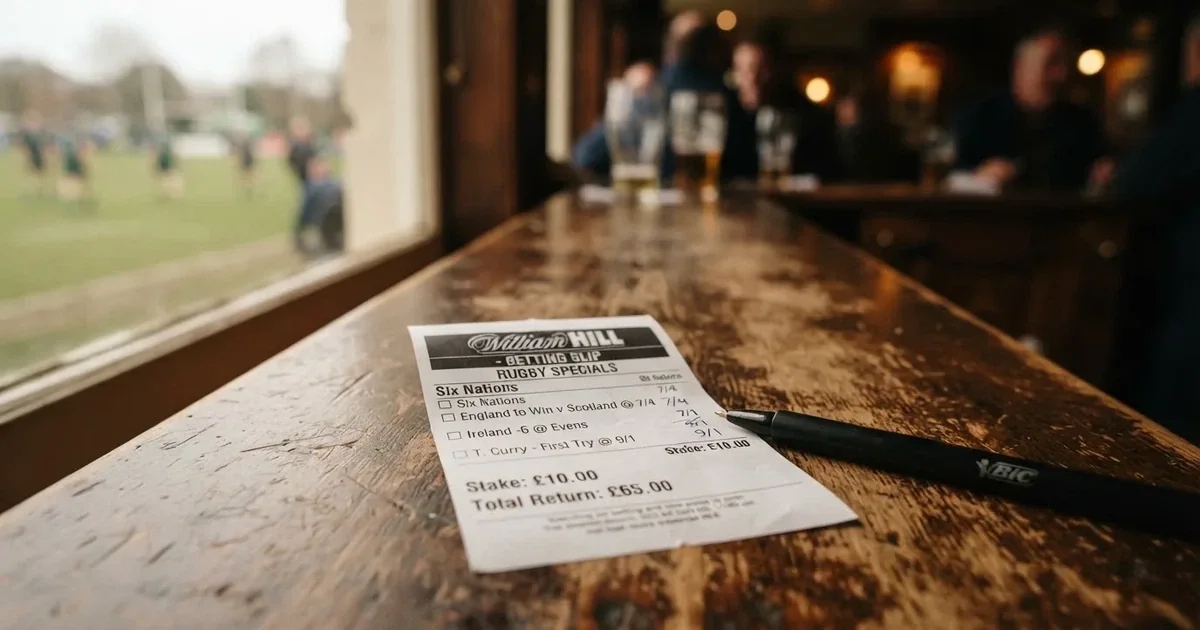
A bet slip is the running total of selections the punter is building. A single is one selection. A multi is two or more selections across different events. A Same Game Multi is two or more selections from the same event, with the combined price set by the operator. The stake is the amount the punter is willing to lose on the bet, and the displayed return is the stake times the decimal odds, including the stake.
The slip shows the combined odds as the legs are added. A punter can read the combined odds at each step and not just the final number — the difference between $12.00 and $13.00 on a four-leg multi is the difference between an 8% per-leg margin and a 5% per-leg margin, and the slip is the only place that difference is visible before the bet is placed.
Settling a bet
A TAB NZ bet settles when the event is over and the result is official. A single settles win or lose. A multi settles win only if every leg wins; one losing leg kills the bet. A Same Game Multi settles on the same rule. The return is credited to the account wallet, and the punter can withdraw the balance through the same method used to deposit. The settlement timeline for racing bets is after the race is run and the dividend is calculated for tote pools; the settlement timeline for sport is after the result is official.
A punter who wants a Same Game Multi can read the operator’s rules on void legs and abandoned matches. A void leg in a Same Game Multi is removed from the bet and the remaining legs are settled at the new combined odds, but the rule on what counts as a void leg is TAB NZ’s own and a punter can read it before placing the bet.
The bet types a punter will actually use
The vast majority of TAB NZ bets are singles and small multis on rugby, football and racing. A punter new to the platform can learn three bet types first: a single on a head-to-head, a Same Game Multi on a rugby match, and a Win bet on a horse race. The bet types below those three are layered on top — exactas, trifectas, First4, Quaddie and Big6 — and they each carry a higher takeout and a higher variance than the entry-level bet. The bet types above those three — betting exchange, spread betting, novelty markets — are not on the TAB NZ platform.
The operator write-ups
Each operator in this section is reviewed against the same yardstick: what the brand is, where it sits inside the New Zealand legal frame, what the operator’s own terms state on the product, and what a New Zealand punter can know before considering it. TAB and Betcha come first because they are the only lawful options for a person betting from a New Zealand address. The other eight are reviewed because a New Zealand punter will see them in the wild, not because any of them is a recommended option for a New Zealand address.
TAB
TAB is the trading name of the New Zealand Racing Board, the only operator licensed to take racing and sports bets from a person in New Zealand since 28 June 2025. The platform is run by Entain under a 25-year partnership signed in 2023, with at least $150 million a year going to TAB NZ for the first five years and a one-off $100 million payment from Entain to the racing sector. The product covers horse and harness racing, rugby union and rugby league, football, cricket, basketball, tennis, golf, MMA, motorsport and the major New Zealand domestic competitions. The bet types run from single head-to-heads through multis and Same Game Multis to the full racing bet-type list. The safer-gambling tools in the TAB NZ app are deposit limits, time-outs and self-exclusion, with the exclusion applying across TAB and Betcha together. The age requirement is 18, and the account needs a verified New Zealand address and identity. The bonus-bet promotions on TAB are TAB NZ’s own, with the wagering terms and minimum odds set by the operator and not by a New Zealand statute.
The verdict on TAB: it is the only lawful option, the only product inside the New Zealand harm-minimisation framework, and the only one of the ten on this page with a New Zealand regulator, a New Zealand complaints route and a New Zealand identity check. A punter who wants a New Zealand-law bet uses TAB. The cost of that position is the absence of an international bookmaker’s market depth on the more exotic sports, and the absence of features the offshore books lead on — boosted odds, copy bets, multi-builder insurance — which is the trade-off the monopoly forces on every New Zealand customer.
Betcha
Betcha is the second consumer brand of TAB NZ, published by Entain New Zealand Limited and first released in the New Zealand App Store on 6 August 2024. The product is the same TAB NZ platform: horse, greyhound and harness racing, rugby, NRL, MMA/UFC, NBA, NFL, tennis, cricket, football, motorsports and esports. The bet types are the same TAB NZ bet types, and the settlement is the same. The age requirement is 18, with a verified New Zealand address and identity. The safer-gambling tools are the same deposit limits, time-outs and self-exclusion, and a self-exclusion on Betcha closes the TAB account as well.
The verdict on Betcha: it is a newer front-end on the same product as TAB, aimed at a younger audience that does not already use the TAB brand. A punter who wants a New Zealand-law bet can use Betcha; a punter who already has a TAB account does not need a Betcha account to access the same product, and a punter who wants a self-exclusion can set it on either brand. The trade-off against TAB is brand familiarity — older New Zealand punters know TAB as the retail and online outlet, and Betcha is the newer digital-only layer.
Thunderpick
Thunderpick is an esports-first operator that covers CS2, League of Legends, Dota 2 and Valorant, with a sportsbook that runs from the Champions League to the NFL and includes a cash-out feature. The operator names a Curaçao licence (OGL/2024/677/0722) under holder Paloma Media B.V., which gives no right to take bets from people in New Zealand. The product is well-built for the esports side of the market, the cash-out feature is a real cash-out, and the market depth on major football competitions is competitive. The age requirement is 18, the account does not require a New Zealand address, and the platform sits outside the New Zealand harm-minimisation framework.
The verdict on Thunderpick: a strong esports product, an offshore licence only, and a direct breach of section 74AAA for any bet placed from a New Zealand address. The cash-out feature and the market depth are not a counterweight to the legal position, because the legal position is settled. Esports betting is a TAB NZ product, and that is where the bets belong.
BigClash
BigClash runs a pre-match and live sportsbook across international and local leagues, plus virtual sports and esports on FPS and MOBA titles. The operator names a Curaçao licence (8048/JAZ) and takes bets in multiple currencies. The product is a generalist offshore bookmaker with a virtuals section and an esports section, and the layout is the standard offshore template.
The verdict on BigClash: a generalist offshore bookmaker with a Curaçao licence and no New Zealand licence. The same legal position as Thunderpick applies — a bet from a New Zealand address is a breach of section 74AAA on the operator’s side, and the punter is outside the New Zealand complaints framework. The product is a generic offshore bookmaker; the legal position is clear.
Telbet
Telbet describes itself as a crypto casino and sportsbook, with a 200% welcome offer up to 1 BTC plus 50 free spins and a 5 USDT free bet on its Russian-language site. The English site offers in-play betting, a My Bets page and separate sports betting rules, bonus terms and a responsible-gambling and AML policy. The operator names no licence that applies in New Zealand. The age requirement is 18, and the account does not require a New Zealand address.
The verdict on Telbet: a crypto-first operator with a 200% headline bonus, the wagering terms on which are the operator’s own and are not subject to a New Zealand rule. The Department of Internal Affairs warns that overseas operators may not return unspent credits and may not pay out large wins; Telbet is one of those operators. Choosing Telbet means entering an unlicensed framework with no domestic recourse and no regulator oversight.
RTbet
RTbet runs a sportsbook covering football, tennis, table tennis, basketball, ice hockey, American football and baseball, with live betting and virtual sports. The operator names a Curação licence, which gives no right to take bets from people in New Zealand. The age requirement is 18, and the account does not require a New Zealand address. The product is a generalist offshore bookmaker with a virtuals section and a live-betting section, and the layout is the standard offshore template.
The verdict on RTbet: a generalist offshore bookmaker with a Curaçao licence. The same legal position as the other offshore books on this page applies. The product is unremarkable, the legal position is clear, and the punter is outside the New Zealand complaints framework.
22Bet
22Bet offers over 30 market types per event, including 1X2, Double Chance, totals, both teams to score, correct score, half-time / full-time, and tennis game, set and handicap markets. The operator names a Curaçao licence (8048/JAZ) under holder TechSolutions Group N.V., which gives no right to take bets from people in New Zealand. The market depth is the standout feature of the platform — 30 market types on a single football match is wider than the international average — and the multi-builder is built around that depth.
The verdict on 22Bet: the widest market depth of the offshore books on this page, on a Curaçao licence, with no New Zealand recourse. The market depth is a real feature on the football side; the legal position is settled. The betting market depth is the only differentiator here, and it does not make the operator legal in this country.
Roobet
Roobet runs a sportsbook covering soccer, basketball, tennis, Counter-Strike, FIFA, baseball, ice hockey, MMA and table tennis, with the casino and sportsbook on one account. The operator’s terms require players to be 18 or older. The operator names a Curaçao licence (OGL/2024/687/0427) under holder Raw Entertainment B.V., which gives no right to take bets from people in New Zealand.
The verdict on Roobet: a casino-and-sportsbook operator on a Curaçao licence, with a sports product that is built for the crypto side of the market. The legal position is the same as the other offshore books on this page; the law covers the operator, not the player.
Spinbara
Spinbara advertises a first deposit bonus of 100% up to EUR 100 and a sport crypto welcome bonus of 100% up to 200 USDT, alongside a casino welcome bonus of 100% up to EUR 500 plus 200 free spins. The operator names no licence that applies in New Zealand. The product is a casino-and-sportsbook operator on the standard offshore template.
The verdict on Spinbara: a 100% headline on a sportsbook that is unlicensed in New Zealand, with the wagering terms on the bonus set by the operator and not subject to a New Zealand rule. The Department of Internal Affairs’ warning on overseas operators applies in full.
Alawin
Alawin runs a sportsbook covering football, tennis, table tennis, basketball, ice hockey, American football and baseball, with live betting, virtual sports and esports. The operator names no licence that applies in New Zealand. The product is a generalist offshore bookmaker with a virtuals section and an esports section, and the layout is the standard offshore template.
The verdict on Alawin: a generalist offshore bookmaker with no New Zealand-applicable licence. The same legal position as the other offshore books on this page applies. The product is unremarkable, the legal position is the only thing that matters to a New Zealand punter, and the punter is outside the New Zealand complaints framework.
What the page didn’t print — and why a New Zealand punter can know that
A few practical points are deliberately absent from the operator write-ups above. A New Zealand punter who needs them can look at the operator’s own terms before betting.
The minimum deposit, the minimum stake, the maximum payout per bet and the maximum payout per event are all operator-level, not statute-level, and the same operator can quote different figures for different markets. The accepted payment methods, the deposit fee (if any) and the withdrawal time are all operator-level, and an offshore bookmaker in Curaçao can take a payment method a New Zealand bank will not necessarily support. The bonus-bet wagering terms — the wagering multiple, the minimum price per qualifying bet, the eligible markets, the deadline and the cap on bonus-bet winnings — are operator-level for every brand on this page, including TAB NZ, and no New Zealand statute fixes any of them.
A New Zealand punter can check those terms on the operator’s own page before placing a bet. The ten operators in the table above are listed by what they are and what they cannot lawfully do here, not by what their bonus terms are, and the terms change often enough that any specific number dates the page within weeks.
Frequently asked questions
How are odds at horse races quoted and read?
New Zealand publishes decimal odds, and the number is the multiplier on the stake. A $10 bet at $3.40 returns $34 if the horse wins — the $10 stake back, plus a $24 profit. Place and Each Way bets split the stake across Win and Place markets, and the place dividend is a fraction of the win dividend set by the operator’s terms.
How do I bet on a football match the right way?
The standard football bet is a 1X2 (home win, draw, away win), with Double Chance, totals, both teams to score, correct score, half-time / full-time, and Asian handicap as the layered markets. A Same Game Multi is a multi whose legs all come from one match, and the combined odds are set by the operator. Singles carry a lower margin than multis, leg for leg.
How does betting on a horse race in Hong Kong work from New Zealand?
TAB NZ carries Hong Kong racing, and a bet placed through TAB or Betcha is a New Zealand-law bet. The bet types are the same Win, Place, Quinella, Exacta, Trifecta and First4 the platform lists for New Zealand and Australian racing. The settlement runs through the TAB NZ tote or fixed-odds book, not through a Hong Kong pool, and the dividend is calculated by TAB NZ.
Which bookmaker may lawfully take sports and racing bets in New Zealand?
TAB and Betcha, both operated by TAB New Zealand under section 74AAA of the Racing Industry Act 2020, in force since 28 June 2025. No other bookmaker may lawfully take a sports or racing bet from a person in New Zealand, regardless of where the bookmaker is based. Offshore brands accepting New Zealand customers are in breach of section 74AAA on the operator’s side.
How is the return on a bet worked out from the stake and the odds?
In decimal odds, return equals stake times the price — a $10 stake at $2.50 returns $25, with a $15 profit if the bet wins. A multi combines the legs by multiplying the prices, so a two-leg multi at $1.90 and $2.10 has a combined price of $3.99 and a $10 stake returns $39.90 if both legs win, or zero if either leg loses.
Published by the Kiwirugbybetting team.